
Why Tech Founders Keep Becoming Cult-Like Figures

By Kate Willis on May 17, 2026
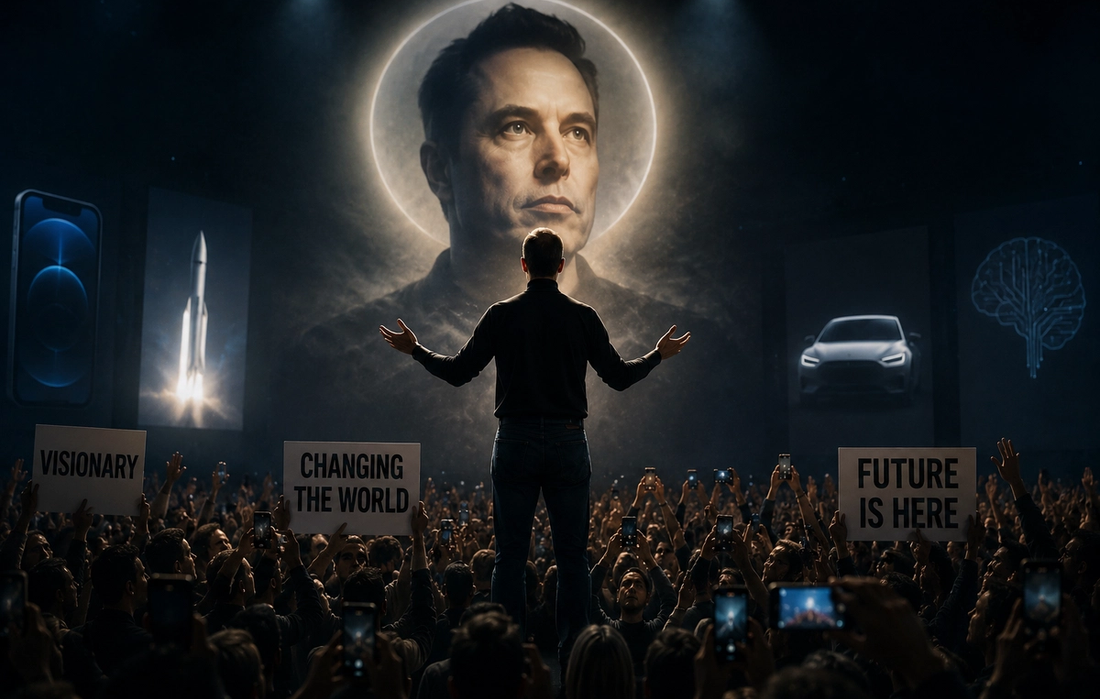
The tech world used to celebrate products more than personalities. People cared about the devices, software, or innovations themselves, not necessarily the individuals behind them. But over the past two decades, something changed.
Tech founders slowly transformed into celebrity figures.
Today, certain CEOs and startup founders attract fanbases that behave less like ordinary consumers and more like devoted followers. Their interviews become headline news. Their tweets move markets. Their personal beliefs influence millions of people. Some supporters even defend them with the intensity usually reserved for sports teams or political movements.
The question is: why does this keep happening?
Key Takeaways
- Modern tech founders are often treated like visionary celebrities
- Social media helped turn CEOs into public personalities
- Fans often associate founders with innovation and future progress
- Startup culture encourages myth-making around “genius” entrepreneurs
- The line between admiration and unhealthy obsession can become blurry
Silicon Valley Helped Create the “Visionary Founder” Myth
Part of the phenomenon comes from how startup culture tells stories.
Silicon Valley loves narratives about brilliant outsiders changing the world from garages, dorm rooms, or tiny apartments. These stories make founders feel larger than life.
Steve Jobs became the blueprint for the modern tech visionary: charismatic, demanding, unconventional, and deeply associated with innovation itself.
After that, the tech industry increasingly focused not just on products, but on personalities.
Founders stopped being background executives and became central parts of their company’s identity.
Social Media Turned CEOs Into Influencers
In the past, most CEOs stayed relatively invisible to the public. Social media changed that completely.
Platforms like Twitter, podcasts, YouTube, and livestreams gave founders direct access to massive audiences without relying on traditional media.
This created a sense of closeness between public figures and followers.
People no longer just bought products. They followed founders’ opinions, lifestyles, jokes, and worldviews in real time.
Some tech leaders mastered this environment extremely well, building personal brands almost as powerful as the companies they run.
The internet rewards strong personalities, and many founders learned how to turn attention into influence.
People Want to Believe Someone Is Building the Future
Technology shapes modern life so rapidly that many people feel both excited and uncertain about the future.
Charismatic founders often position themselves as people who “see what comes next.” They speak about artificial intelligence, space travel, climate solutions, virtual reality, or human enhancement in ways that sound ambitious and world-changing.
That vision can become emotionally powerful.
Supporters start viewing founders less like business executives and more like symbolic figures representing progress itself.
In uncertain times, people are often drawn toward individuals who appear confident about the future.
Startup Culture Romanticizes Obsession
The tech world also heavily glorifies extreme dedication.
Founders are often portrayed as:
- Sleeping in offices
- Working 100-hour weeks
- Ignoring rules
- Sacrificing everything for innovation
This creates the image of the founder as a uniquely driven genius operating beyond ordinary limitations.
Movies, documentaries, podcasts, and business media reinforce these narratives constantly. Failure becomes part of the mythology. Eccentric behavior becomes evidence of brilliance.
Over time, admiration can shift into something more intense.
Online Communities Amplify Everything
Internet culture naturally encourages tribal behavior.
Fans gather in online communities where shared enthusiasm grows stronger over time. Algorithms also reward emotionally charged content, making extreme praise or criticism spread faster.
Once a founder becomes highly visible online, supporters and critics both help increase their cultural influence.
Memes, clips, interviews, controversies, and viral moments keep certain figures constantly in public conversation.
In many ways, the internet turned tech founders into entertainment personalities as much as business leaders.
The Line Between Inspiration and Idolization
There is nothing inherently wrong with admiring successful innovators.
Many founders genuinely helped create technologies that changed the world. Some built products that improved communication, access to information, healthcare, or daily convenience for millions of people.
The problem begins when admiration becomes blind loyalty.
Cult-like behavior often appears when followers:
- Dismiss all criticism automatically
- Treat founders as morally superior
- Defend every action unconditionally
- Build personal identity around supporting them
At that point, the focus shifts away from ideas or products and toward personality worship.
Tech Companies Now Feel More Personal
Modern technology companies also became deeply intertwined with identity and lifestyle.
People do not just use apps anymore. They build routines, careers, friendships, and communities around digital platforms.
That emotional connection makes the people leading those companies feel more personally important too.
When technology shapes daily life so heavily, the individuals associated with it naturally gain enormous cultural influence.
The Internet Rewards Bigger-Than-Life Personalities
Ultimately, tech founders becoming cult-like figures says as much about internet culture as it does about technology itself.
Modern online platforms reward confidence, controversy, storytelling, and personal branding. Founders who embrace those dynamics often become far more influential than traditional executives ever were.
Some use that attention responsibly. Others lean into the mythology surrounding themselves.
Either way, the age of invisible CEOs is mostly over.
In today’s digital world, building technology is no longer enough. Increasingly, founders are expected to become characters, symbols, and public personalities — whether that is healthy or not.