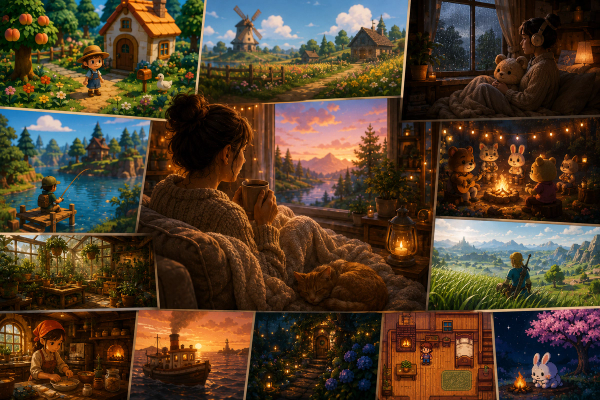

The Quiet Rise of “Cozy Games” and Why People Love Them

By Kate Willis on May 18, 2026
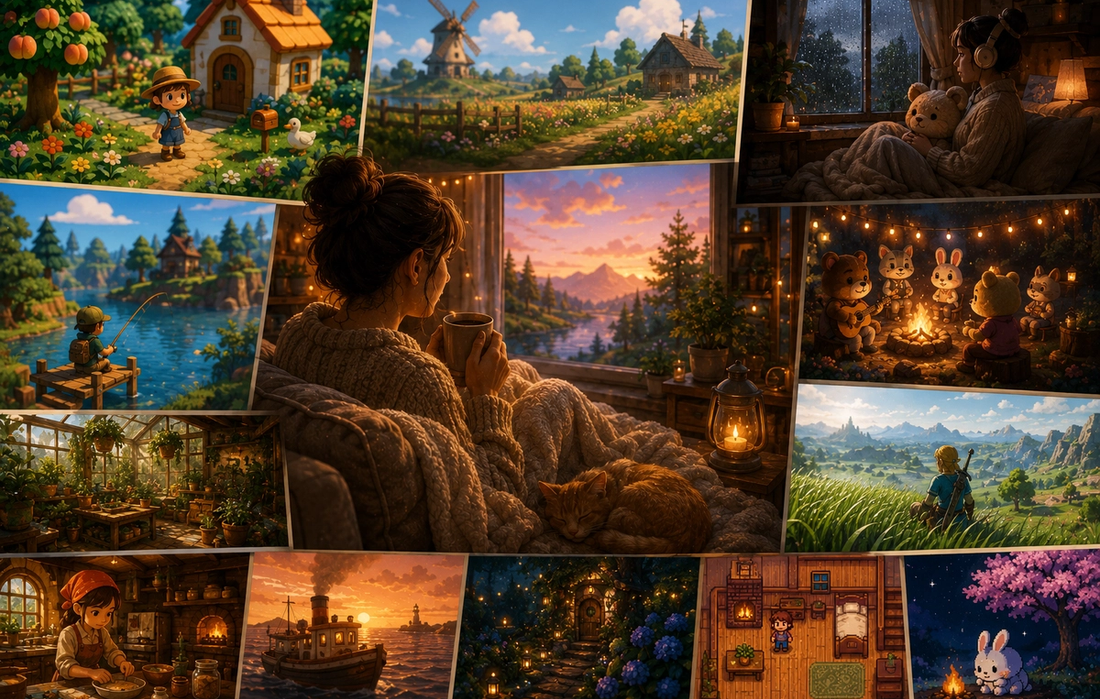
For years, the gaming industry focused heavily on intensity.
Big-budget games emphasized competition, action, explosions, grinding, and high-pressure challenges. Online multiplayer became faster, louder, and more stressful as games pushed players toward rankings, performance, and endless progression systems.
Then something unexpected happened.
A completely different type of game quietly exploded in popularity: cozy games.
These games often involve farming, decorating houses, fishing, organizing cafés, talking to villagers, or simply wandering through peaceful worlds at your own pace. There are usually no terrifying enemies, no stressful timers, and no pressure to “win” quickly.
And millions of people absolutely love them.
Key Takeaways
- Cozy games focus on relaxation rather than competition
- Players increasingly seek calm and emotionally comforting experiences
- Games like Animal Crossing and Stardew Valley helped popularize the genre
- Cozy gaming reflects broader burnout with stressful online culture
- Many players use cozy games as emotional escape and self-care
What Actually Makes a Game “Cozy”?
There is no strict definition, but cozy games usually share certain qualities:
- relaxing gameplay
- soft visuals
- low-pressure progression
- calming music
- emotional comfort
- freedom to play slowly
Instead of punishing players constantly, cozy games encourage exploration, creativity, and routine.
Popular examples include:
- Stardew Valley
- Animal Crossing
- Spiritfarer
- Unpacking
- A Short Hike
- Coffee Talk
Many cozy games focus less on “beating” the game and more on simply existing peacefully inside its world.
People Are Tired of Constant Competition
One major reason cozy games became popular is simple exhaustion.
Modern life already feels stressful enough:
- work pressure
- endless notifications
- social media
- economic anxiety
- online arguments
- constant productivity culture
Many players no longer want every game to feel like another competitive system demanding perfect performance.
After spending all day overwhelmed by real life, relaxing virtual environments become incredibly appealing.
Cozy games offer emotional relief instead of adrenaline.
The Pandemic Accelerated the Trend
The COVID-19 pandemic massively increased interest in cozy gaming.
During lockdowns, millions of people searched for comfort, routine, and emotional stability while isolated indoors. Games like Animal Crossing: New Horizons became huge cultural phenomena because they provided calm social spaces during an extremely stressful time.
Players used cozy games to:
- relax
- connect with friends
- escape anxiety
- build comforting routines
For many people, these games became emotional safe spaces rather than simple entertainment.
Cozy Games Reward Slowness
Most modern digital platforms are designed around speed.
Social media rewards instant reactions. Online games reward constant grinding. Streaming platforms encourage binge consumption.
Cozy games move in the opposite direction.
They encourage:
- patience
- small routines
- quiet exploration
- gradual progress
Some games even limit how quickly players can progress intentionally.
That slower pacing feels refreshing in a culture built around constant acceleration.
Small Tasks Feel Surprisingly Satisfying
One interesting aspect of cozy games is how emotionally rewarding simple activities become.
Players enjoy:
- watering crops
- decorating rooms
- organizing inventory
- fishing
- collecting items
- talking to characters
These tasks sound ordinary, but they create predictable systems where effort produces clear rewards — something real life often lacks.
Cozy games provide tiny moments of control, stability, and accomplishment in low-stress environments.
The Aesthetic Matters Too
Cozy games often share recognizable visual styles:
- warm colors
- soft lighting
- cute characters
- relaxing music
- charming environments
The atmosphere itself becomes part of the appeal.
Many players describe cozy games as emotionally comforting in the same way comfort food or relaxing television shows feel comforting.
The goal is not excitement. It is emotional warmth.
Online Culture Quietly Changed Gaming Preferences
Gaming culture itself also evolved.
Older gaming communities sometimes treated difficult, competitive games as the “correct” way to play. But over time, more players openly embraced games focused on emotion, creativity, and relaxation instead of skill alone.
The rise of cozy games reflects broader cultural shifts: people increasingly value mental well-being, balance, and slower experiences online.
Not every game needs to be stressful to feel meaningful.
Cozy Games Are Still Real Games
One misconception is that cozy games are somehow “less serious” than traditional games.
In reality, many cozy games involve deep systems, emotional storytelling, creativity, and strong community engagement. Some explore themes like grief, loneliness, friendship, or identity with surprising emotional depth.
The lack of combat or competition does not make them shallow.
If anything, cozy games prove gaming can create emotional experiences beyond excitement and conflict.
People Want Digital Spaces That Feel Safe
Ultimately, the popularity of cozy games reveals something important about modern life.
People increasingly crave spaces that feel:
- calm
- manageable
- welcoming
- emotionally gentle
As digital culture becomes noisier and more overwhelming, games offering softness and peace naturally become more attractive.
In a world constantly demanding attention, speed, and productivity, the idea of quietly watering virtual plants while listening to soft music suddenly feels surprisingly powerful.
And perhaps that is why cozy games no longer feel like a niche genre anymore — they feel like a response to the modern world itself.