
5 Forgotten Multiplayer Games That Deserve a Comeback

By Kate Willis on May 18, 2026
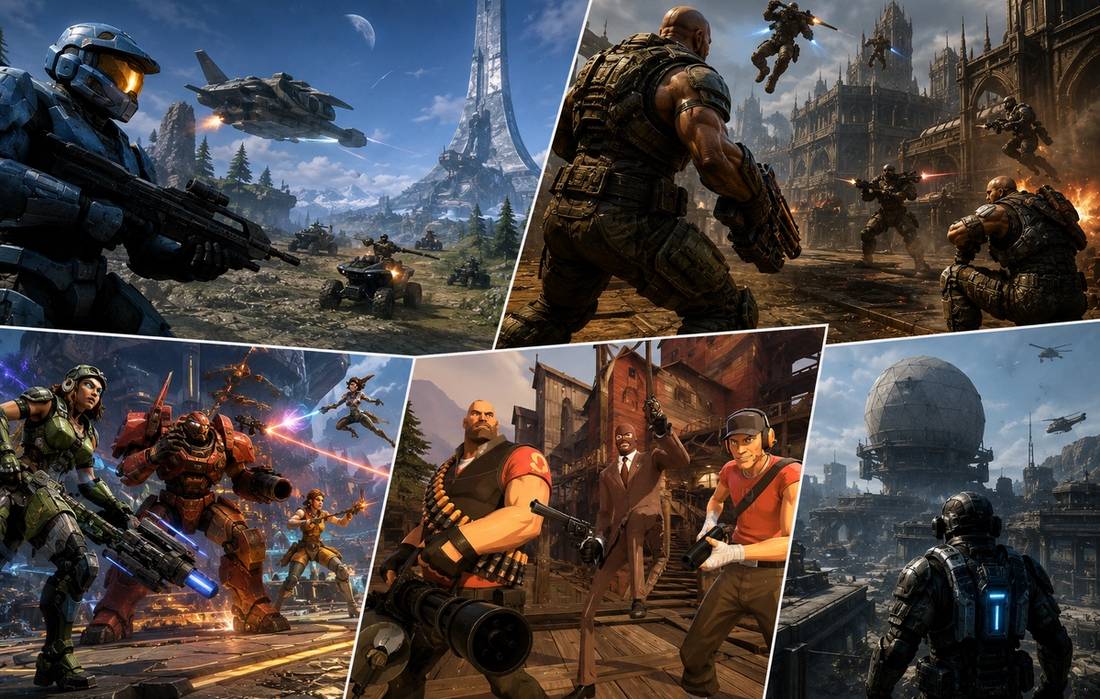
Online gaming moves fast.
Every year, new multiplayer games explode in popularity while older ones slowly disappear into internet history. Servers shut down, communities fade away, and once-beloved games become memories buried inside old consoles and abandoned accounts.
But some forgotten multiplayer games still feel surprisingly special years later.
Whether because of unique gameplay, chaotic fun, or unforgettable social experiences, certain titles deserved far more attention — and many players still secretly wish they would return someday.
Key Takeaways
- Many older multiplayer games introduced creative ideas ahead of their time
- Some titles disappeared because of bad timing rather than poor quality
- Unique social experiences made certain games unforgettable
- Nostalgia plays a major role in multiplayer gaming culture
- Several forgotten games would likely succeed today with modern support
1. Blur
Blur was one of the strangest racing games ever released.
Imagine realistic street racing mixed with chaotic power-ups similar to Mario Kart. Players drifted through detailed city environments while launching electric attacks, mines, and explosive abilities at each other during high-speed races.
The result was pure chaos in the best possible way.
Despite strong gameplay, Blur struggled commercially because it launched during a crowded period dominated by bigger racing franchises.
Today, many players still remember it as one of the most underrated arcade racers ever made.
2. Gotham City Impostors
Before hero shooters became massively popular, Gotham City Impostors quietly experimented with absurd team-based multiplayer inside the Batman universe.
The game did not focus on Batman himself. Instead, players controlled bizarre homemade vigilantes and Joker-inspired criminals using ridiculous weapons and gadgets.
It was goofy, fast-paced, and surprisingly creative.
At a time when most shooters took themselves very seriously, Gotham City Impostors embraced pure chaotic fun. Unfortunately, it never gained enough momentum to survive long-term.
In today’s meme-heavy multiplayer culture, the game would probably fit in perfectly.
3. Monday Night Combat
Long before the explosion of modern hero shooters and battle arena games, Monday Night Combat mixed third-person shooting, tower defense, and esports parody into something genuinely unique.
The game presented itself like a futuristic televised sports event filled with over-the-top announcers, ridiculous characters, and exaggerated violence.
Players defended objectives while fighting enemy teams in matches that balanced strategy and action surprisingly well.
The humor, style, and gameplay all felt ahead of their time — but the audience simply was not large enough yet.
4. Warhawk
Released on the PlayStation 3, Warhawk delivered massive multiplayer battles combining:
- infantry combat
- tanks
- aircraft
- large-scale warfare
What made the game memorable was how dynamic matches felt. Players could jump seamlessly between ground combat and aerial dogfights during huge battles.
The game built a loyal fanbase because of its scale and unpredictability.
Unfortunately, newer shooters eventually overshadowed it, and the franchise slowly disappeared despite many fans still praising it today.
5. Evolve
Evolve had one of the most interesting multiplayer concepts of its generation.
Four players worked together as hunters while one player controlled a giant evolving monster. As the match progressed, the monster grew stronger and more dangerous, creating tense asymmetrical gameplay.
The core idea was brilliant.
But the game became heavily criticized for aggressive downloadable content pricing and confusing monetization systems shortly after launch. Over time, the player base collapsed despite strong gameplay foundations.
Many gamers still believe Evolve could succeed today if relaunched properly with better support and business decisions.
Multiplayer Games Are About More Than Gameplay
One reason people remember forgotten multiplayer games so strongly is because multiplayer experiences are emotional.
Players remember:
- late-night matches
- inside jokes
- online friendships
- chaotic moments
- unexpected rivalries
Even flawed games can become unforgettable because of the social experiences attached to them.
Sometimes communities matter more than mechanics.
Timing Can Decide Everything
Many multiplayer games fail not because they are bad, but because of timing.
Launching near massive competitors, lacking marketing support, or arriving before audiences are ready can destroy otherwise excellent games.
The gaming industry moves brutally fast. Once player populations shrink, multiplayer games often struggle to recover.
That makes many forgotten online games feel strangely tragic — they disappear not because they lacked potential, but because momentum vanished too quickly.
Modern Gaming Feels More Standardized
Another reason players miss older multiplayer games is because modern online gaming sometimes feels overly optimized.
Today’s multiplayer landscape is dominated heavily by:
- battle passes
- live-service systems
- seasonal content
- ranked grinding
- monetization strategies
Older multiplayer titles often experimented more freely with weird ideas because the industry felt less standardized.
Some failed spectacularly. Others became cult classics.
Nostalgia Keeps Old Multiplayer Games Alive
Even after servers shut down, communities continue remembering these games through:
- YouTube videos
- fan forums
- private servers
- memes
- online discussions
Multiplayer nostalgia is powerful because it is tied directly to human interaction and specific moments in life.
People are not only remembering the game itself — they are remembering the feeling of playing it with others.
Some Forgotten Games Still Deserve a Second Chance
Gaming history is full of titles that arrived too early, marketed poorly, or simply got overshadowed unfairly.
With modern technology and renewed interest, some forgotten multiplayer games could genuinely succeed if given another opportunity today.
And perhaps that is why players continue talking about them years later.
Because sometimes the games people miss most are not the perfect ones — but the weird, creative, chaotic multiplayer experiences that felt unlike anything else at the time.