
Why Everyone Suddenly Wants a Dumb Phone Again

By Kate Willis on May 17, 2026
For years, smartphones represented progress. Bigger screens, faster apps, better cameras, endless connectivity — every new device promised to make life more efficient and entertaining. But recently, something unexpected started happening.
More people are giving up smartphones entirely or switching to so-called “dumb phones” — simple devices designed mainly for calls and texts.
At first glance, the trend feels strange. Why would anyone willingly abandon modern technology after spending years upgrading to the latest devices? But the growing interest in simpler phones says a lot about how exhausted many people have become with constant digital connection.
Key Takeaways
- Dumb phones are becoming popular again among younger users and digital minimalists
- Many people feel overwhelmed by constant notifications and screen time
- Simpler phones reduce distractions and social media dependency
- The trend reflects growing concerns about mental health and online burnout
- People are increasingly nostalgic for slower, less connected technology
Smartphones Quietly Took Over Everyday Life
Modern smartphones do far more than make calls.
They became:
- Cameras
- GPS systems
- Entertainment platforms
- Social spaces
- Work tools
- Shopping centers
- News feeds
- Alarm clocks
The problem is that smartphones also became incredibly difficult to escape.
Many people now spend several hours per day staring at screens, often without realizing how automatic the habit has become. Notifications, endless scrolling, and algorithm-driven apps constantly compete for attention.
Over time, people started noticing the mental exhaustion that comes with being permanently connected.
Dumb Phones Feel Surprisingly Peaceful
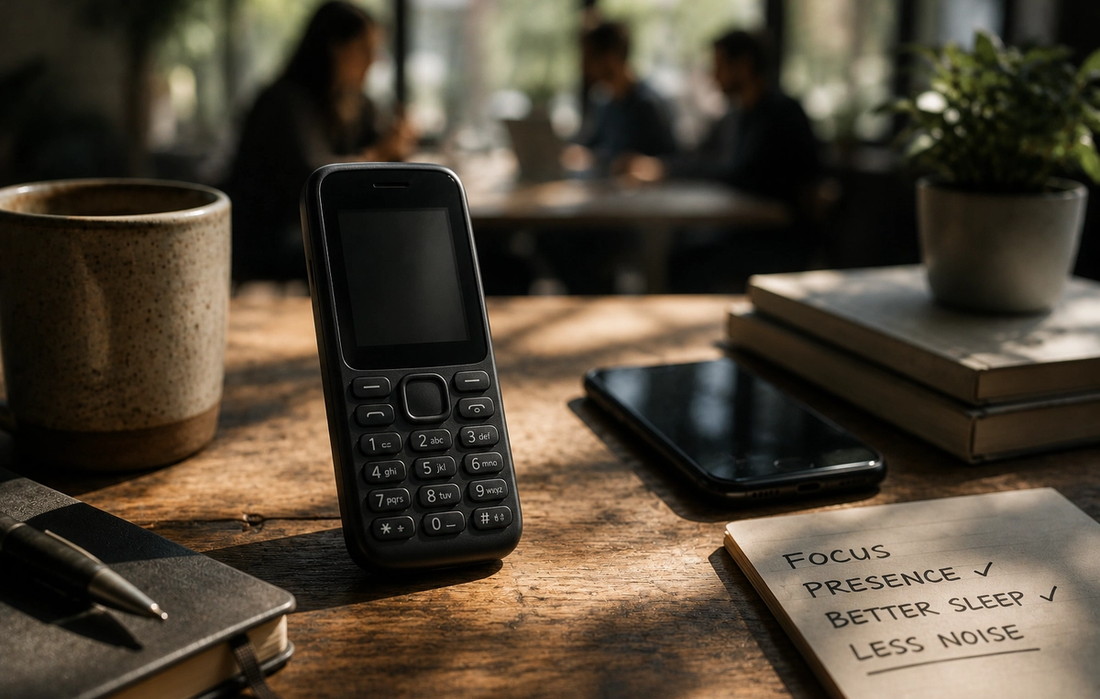
A dumb phone strips away most modern distractions.
No endless TikTok scrolling. No Instagram notifications. No autoplay videos. No addictive app ecosystems constantly demanding attention.
For many users, that simplicity feels refreshing.
People who switch to simpler phones often describe feeling:
- Less anxious
- More focused
- Less distracted
- More present in conversations
- More aware of their surroundings
The phone stops acting like a portable entertainment machine and becomes just a communication tool again.
Ironically, removing features sometimes makes technology feel healthier.
Younger Generations Are Driving Part of the Trend
One of the most surprising aspects of the dumb phone revival is that younger people are increasingly interested in it.
Gen Z grew up fully immersed in smartphones and social media. Because of that, many younger users are now experiencing digital burnout earlier than previous generations.
Some people are intentionally stepping away from constant online culture to regain focus, creativity, or emotional balance.
Minimalist flip phones and retro devices have even started becoming fashionable again, partly because they represent rebellion against hyper-connectivity.
Owning a simple phone now feels less like falling behind and more like opting out.
Social Media Fatigue Is Real
A major reason behind the trend is growing exhaustion with social media itself.
Platforms designed to keep users engaged often create:
- Information overload
- Comparison anxiety
- Doomscrolling habits
- Constant distraction
- Sleep disruption
Many people feel trapped in cycles of compulsive checking without actually enjoying the experience anymore.
Dumb phones remove much of that temptation automatically.
Without instant access to every app, people often regain control over how and when they interact online.
Nostalgia Plays a Big Role Too
Part of the appeal is emotional.
Older phones remind people of a time when technology felt simpler and less demanding. Early mobile phones were limited, but they also carried fewer expectations.
People were not expected to answer messages instantly. Social media did not dominate attention spans. Being unreachable for a few hours felt normal.
That nostalgia has become increasingly powerful in a world where digital life can feel overwhelming.
Even the design of old flip phones and keypad devices now carries a certain retro charm.
Dumb Phones Are Not Perfect
Of course, simpler phones come with tradeoffs.
Many people still rely heavily on:
- Navigation apps
- Banking apps
- Messaging platforms
- Mobile payments
- Work communication tools
Completely abandoning smartphones is unrealistic for some lifestyles.
As a result, many users adopt a middle-ground approach instead. Some keep smartphones but remove social media apps. Others use dumb phones on weekends or during vacations to disconnect temporarily.
The goal is often not rejecting technology completely, but creating healthier boundaries around it.
The Trend Reflects a Bigger Cultural Shift
The growing popularity of dumb phones reflects something larger than just gadget preferences.
People are increasingly questioning whether constant connectivity actually improves quality of life. Convenience made smartphones nearly unavoidable, but convenience alone does not always create happiness.
For years, tech culture focused heavily on adding more features, more notifications, and more engagement. Now, many users are starting to value slowness, quietness, and intentional technology use instead.
In some ways, the dumb phone trend is less about old devices and more about reclaiming attention.
Simpler Technology Suddenly Feels Modern Again
It is ironic that in an age dominated by advanced AI, smart devices, and endless apps, one of the most appealing ideas is carrying a phone that barely does anything.
But that simplicity is exactly the point.
For many people, dumb phones represent freedom from constant digital noise. They create small spaces where attention feels less fragmented and daily life feels slightly more grounded.
Technology once promised to simplify life. Now, some users are discovering that the simplest devices may actually come closest to doing exactly that.