
The Slow Disappearance of the Personal Website

By Kate Willis on May 17, 2026
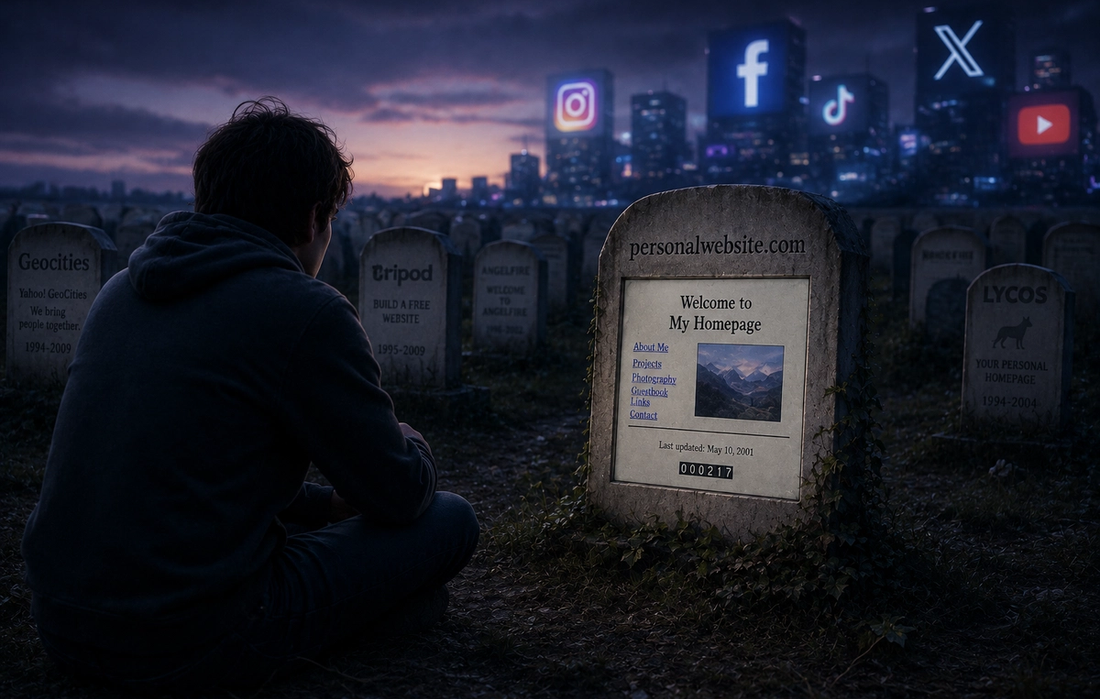
There was a time when the internet felt far more personal.
People built strange little websites filled with favorite music, awkward photos, colorful backgrounds, niche hobbies, and handwritten thoughts. The internet was messy, creative, and deeply individual. Every website felt like entering someone’s small digital world.
Today, much of that internet has quietly disappeared.
Instead of personal websites, most online identity now lives inside a handful of giant social media platforms. Profiles became standardized. Feeds replaced homepages. Algorithms replaced exploration.
And somewhere along the way, the personal website slowly started fading away.
Key Takeaways
- Personal websites used to be a major part of internet culture
- Social media platforms replaced much of the independent web
- Modern online spaces prioritize convenience and algorithms
- Many people miss the creativity and individuality of the old internet
- A small revival of personal websites is beginning to emerge
The Early Internet Felt Wild and Personal
In the early days of the web, creating a personal website felt exciting.
People used services like GeoCities, Angelfire, and MySpace to design spaces that reflected their personalities. Sites were often chaotic — flashing text, strange fonts, autoplay music, and cluttered layouts everywhere.
But that chaos was part of the charm.
The internet felt less polished and more human. You could stumble across fan pages, personal blogs, weird collections, and deeply specific hobbies created simply because someone cared enough to share them.
There was less pressure to optimize everything for attention.
Social Media Changed the Entire Structure of the Internet
The rise of social media dramatically changed how people existed online.
Platforms like Facebook, Instagram, Twitter, and TikTok made publishing content much easier. Users no longer needed to learn coding or web design. Everything became instant, centralized, and accessible.
But convenience came with tradeoffs.
Instead of creating unique websites, people started building standardized profiles inside platforms owned by massive companies. Everyone used the same layouts, the same features, and the same systems.
The internet became less decentralized and more controlled by a few dominant apps.
Algorithms Replaced Exploration
Older internet culture often relied on curiosity.
People discovered websites through forums, blogrolls, random links, or search engines. Browsing the web sometimes felt like wandering through hidden digital neighborhoods.
Modern platforms work differently.
Algorithms now decide what users see, prioritizing engagement, trends, and content likely to keep people scrolling longer. Discovery became automated instead of exploratory.
As a result, much of the internet started feeling strangely similar.
Instead of visiting independent spaces built by individuals, users increasingly consume content inside algorithm-controlled feeds.
Online Identity Became More Performative
Personal websites often felt intimate because they were not heavily optimized for attention.
Social media changed that dynamic.
Today, online identity is frequently shaped around visibility, engagement, and personal branding. Profiles are curated carefully. Posts are measured through likes, views, and followers.
Many users now feel pressure to appear polished, entertaining, or constantly active online.
The personal website era felt less performative partly because smaller audiences created less pressure for public validation.
People shared things because they wanted to, not because algorithms rewarded them for it.
The Internet Lost Some of Its Weirdness
One thing many people miss about the old internet is how strange and unpredictable it felt.
Personal websites created space for niche creativity, awkward experimentation, and highly specific passions. Not everything needed to look professional or go viral.
Modern platforms encourage standardization:
- Similar layouts
- Similar trends
- Similar aesthetics
- Similar content formats
As platforms became more commercialized, the web started feeling cleaner but less personal.
The weirdness never disappeared entirely, but much of it became harder to find.
Personal Websites Never Fully Died
Despite their decline, personal websites still exist.
Some people continue building blogs, portfolios, newsletters, and independent spaces online specifically because they want more control over their identity and content.
There is even a small modern revival happening.
Frustration with algorithms, platform instability, and social media exhaustion has pushed some users back toward independent websites, blogs, and self-hosted platforms.
For many creators, owning a website feels more permanent and personal than relying entirely on apps controlled by tech companies.
Why People Miss the Old Web So Much
Nostalgia for the early internet is not only about outdated design or old technology.
It is about how the internet felt emotionally.
The web once seemed more open, creative, and individualistic. It felt like a place built by people rather than optimized entirely for advertisers, engagement metrics, and endless scrolling.
Personal websites reflected identity in a slower, less commercialized way.
They reminded users that the internet could be a collection of unique voices instead of one giant algorithmic feed.
The Future of the Internet May Become More Personal Again
Ironically, as social media becomes increasingly crowded and exhausting, many people are starting to crave smaller and more intentional online spaces again.
Newsletters, blogs, forums, private communities, and personal websites are slowly regaining appeal among users who want more authenticity and less algorithmic noise.
The internet may never fully return to the chaotic creativity of its early days.
But the growing desire for ownership, individuality, and slower digital spaces suggests something important: people still want the web to feel human.
And perhaps that is why the idea of the personal website still refuses to completely disappear.